
Whyyyyyyyyyyyy
Carnivore?

I was at [redacted] event not too long ago and ran into [redacted] who filled me in on their new carnivore journey.
And I clocked some new xanthelasma on their eyes.
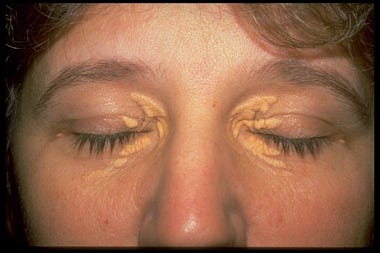
Xanthelasma are yellowish, cholesterol-filled deposits that form underneath the skin, most commonly on or around the eyelids, often near the inner corners of the eyes. These growths are generally flat or slightly raised and can vary in size. They are a type of xanthoma, which are cholesterol deposits in the skin. These lesions are a good early warning sign that cholesterol buildup is occurring.

Me.
While this interaction wasn’t necessarily the turning point for any revolutionary thought or opinion I held, it definitely stoked a burgeoning inner struggle I’ve been entertaining.
It’s not a general frustration with the carnivore diet, but rather the overwhelming amount of anecdotal and n of 1 accounts of said diet saving lives, the masculinification of it all, and how innocent people wanting to feel better get swept up by ideologues.
Anyways, what is the carnivore diet?
The carnivore diet is an “animal-based” diet that involves eating only animal products, typically:
Meat (beef, pork, lamb, poultry)
Fish and seafood
Animal fats - butter
Eggs
(Optional) Dairy (varies by version)
It excludes all plant-based foods, including:
Vegetables
Fruits
Grains
Legumes
Nuts and seeds
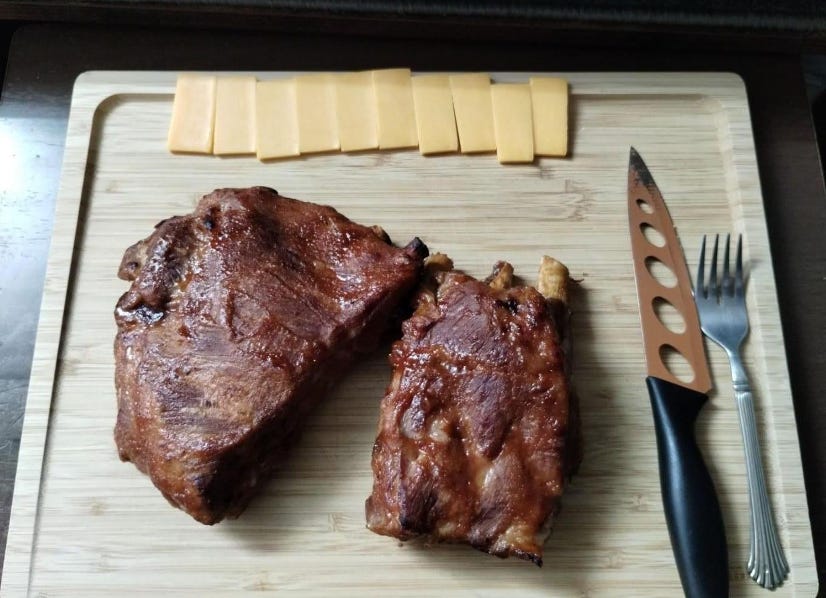
It’s not required but heavily recommended to consume your foods on a wood cutting board.
Proponents of the carnivore diet report alleviation of chronic disease, fatigue, body weight, and psychiatric complaints.
Ultimately, I’m not here to condemn anyone for selecting a diet that provides them with these benefits, but we’ve commodified health information and communications so much that it does, in fact, behoove us to implement increasing skepticism when someone’s personal anecdote becomes the reason why you should use their bovine testicle supplements.
Especially considering, one of the most prominent carnivores, [redacted], who you should know, since I last checked at least, now eats fruits – explained that his autoimmune skin condition was cured when he went carnivore.
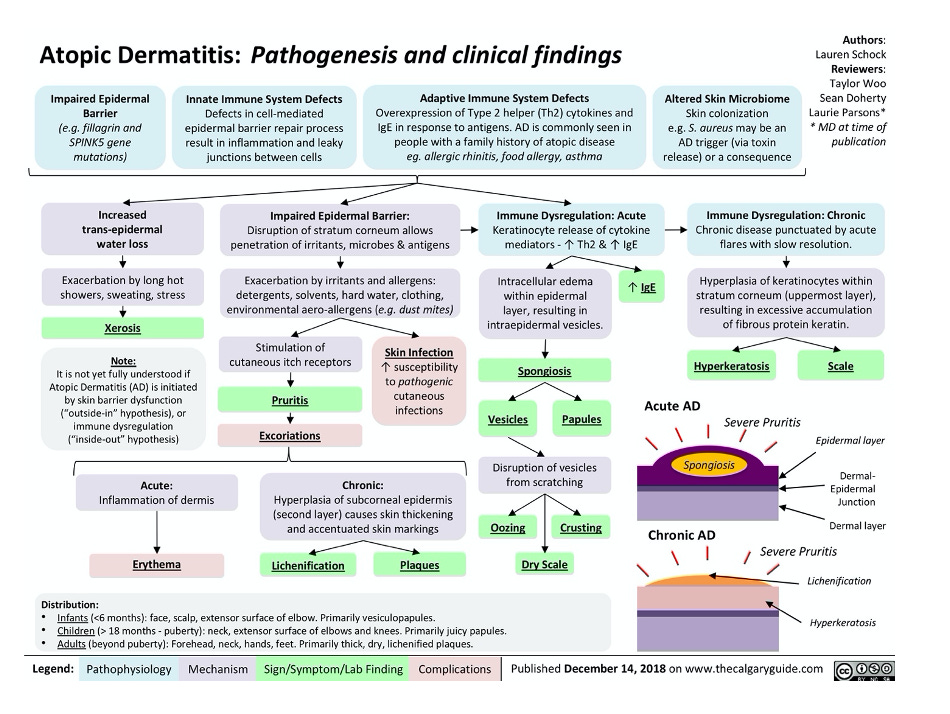
His skin condition? Eczema; an atopic skin manifestation that results due to environmental, skin barrier, skin microbiome, and underlying immune system dysfunction.
To our current knowledge, there are no autoantibodies associated with eczema that would put it in the realm of autoimmune diseases. For the record, should evidence come out that revises the categorization of eczema as an autoimmune disease I will have no problem accepting such designation.
Source
So right off the rip we’re being influenced by someone who either mistakenly mislabeled their condition, or intentionally mis-categorized it to broaden the perceived reach of the diet they’re recommending (and profiting off of).
Heavy on the profiting. Because unlike the old days, you can make money simply by posting a video. You can also sell products and courses, but you can also just make money by pressing ‘share.’
Not to mention the masculinity of it all.
So much of the carnivore/animal-based messaging has an underlying tone of genderedness to it – with the implication being that high red meat and saturated fat consumption are associated with higher testosterone levels. Especially if you consume the organ itself.
As with a lot of misinformation, it’s often derived from an either valid or mechanistically sound concept. Generally speaking, carnivores will argue that having high cholesterol is necessary for optimal hormones.
This originates from the fact that cholesterol is the foundational molecule backing pregnenolone, from which hormones are built from. So, having sufficient cholesterol levels makes sense in the quest for higher testosterone.
Except, our cells are fully capable of making cholesterol de novo, especially in the liver through the HMG-CoA reductase pathway, and we simply don’t see hypogonadism at the level we would expect to see in those who follow a low fat diet if the proposed mechanism were the sole way of maintaining hormone levels.
But, don’t listen to just me. A 2025 meta-analysis of randomized control trials found no significant effect of a low-fat diet on testosterone levels, compared with high fat diet. Granted, this study did not look at the carnivore diet in particular, and we have to look at the limitation they discussed when analyzing research to review.
Most studies had small sample sizes, variable fat intake ranges, and limited long-term data.
There are other elements of hormone levels that play a role, like, your baseline hormone levels, physical activity level, genetics, body mass, insulin levels, environmental exposures, and fiber intake.
This is why nutritional epidemiological information is hard to derive causation from, because individuals are so complex and, well, individual.
My takeaway from a review like this is that dietary fat alone will never be the sole predictor of your hormone levels. Why? Because we are complex biological symptoms, not just a single input output.
The genderedness of it all doesn’t stop with hormone optimization, it insidiously creeps into the tone of the conversation when discussing vegetables, which have phytoestrogens and are therefore bad for you.
Phytoestrogens are naturally occurring plant compounds (found in foods like soy, flaxseed, legumes) that can bind to estrogen receptors in the body. The most well-known types include:
Isoflavones (e.g., genistein, daidzein in soy) probably the origin source of the term ‘soy boy’
Lignans (in flaxseeds, sesame seeds)
Coumestans (in legumes, clover)
They are structurally similar to estradiol but have much weaker estrogenic activity, and sometimes even anti-estrogenic effects depending on tissue type and hormonal environment.
And yet somehow every vegetable and fiber is now shrouded in this subliminal feminine-and-thus-weaker form of messaging; a societal and hegemonic problem at large.
In part two of this discussion, I’ll dig into the value of fiber, ‘plant defense compounds’ and nutritional nuance at large.
My hope for you in reading this, is that you glean an understanding of the power you wield when you exercise scrutiny in your media consumption.
Ask yourself when consuming health communications – what is the message at hand?
If you’re feeling compelled by someone’s point or contention, is it because they hit a note that harmonizes with a source of insecurity in you? Are they making claims to cure a disease you struggle with every day? That brings you pain?
How would this person respond if you tried what they recommended, and it didn’t work? Would they be open to trialing alternatives?
Is there ideological rigidity, concept commodification, monetization or all of the above?